Gravity T-shirt Design Templates: A Practical Guide for Creators and Brands
Integrating Professional Assets into Your Creative Workflow
In the competitive landscape of custom merchandise and streetwear fashion, the gap between a concept and a market-ready product often lies in execution. For entrepreneurs, designers, and small business owners, the challenge isn't just having an idea—it's translating that idea into a high-quality, print-ready file efficiently. This is where a resource like the Gravity T-shirt Design Templates collection moves from being a simple download to a critical component in a production workflow. These aren't just random graphics; they are structured, editable assets designed to streamline the journey from initial design to final product.
Understanding how to integrate such a template pack into your process is key. It begins with preparation. Before you even download the ZIP file, your project should have a clear direction. Are you building a cohesive streetwear capsule collection? Creating promotional merchandise for a brand? Or developing a line of print-on-demand products? The answer dictates how you'll approach the assets inside. The Gravity T-shirt Design Templates provide a foundation of unique and aesthetic sticker and t-shirt quotes designs, but your strategic planning determines their ultimate impact.
Anatomy of a Production-Ready Asset Pack
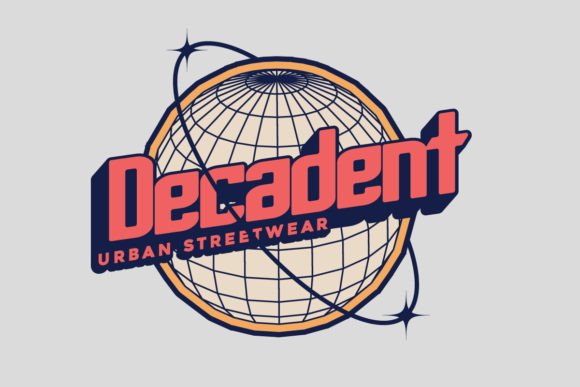
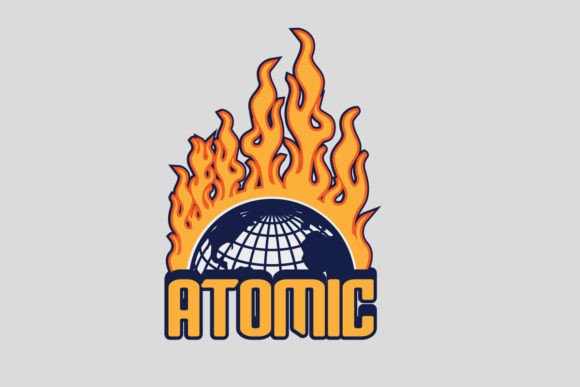
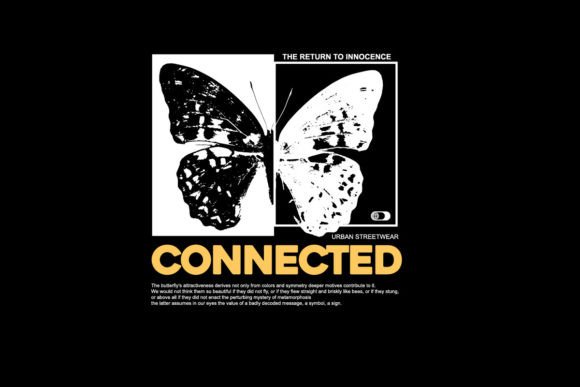
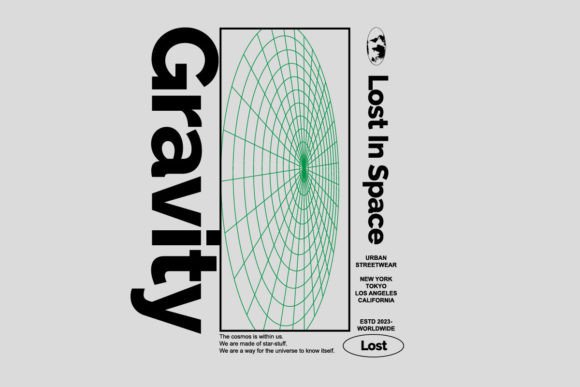
The true value of a professional design template pack lies in its structure and compatibility. The Gravity collection delivers this through a carefully organized set of files. Inside the compressed ZIP folder, you won't find a single, locked image. Instead, you receive a toolkit: 100 vector source files in EPS format, high-resolution JPGs for immediate reference or use, and a curated set of one quotes t-shirt designs to get started. This structure is intentional and serves specific workflow needs.
- Vector EPS Files (The Core Workhorse): These are the heart of the collection. Being vector-based means they are mathematically defined, not pixel-based. This allows for infinite scalability—you can scale a design from a small chest print to a full back print without any loss of quality. More importantly for creators, these files are fully editable in software like Adobe Illustrator, Affinity Designer, or CorelDRAW. You can transform, scale up down, add remove elements or text, recolor each component independently. This level of control is non-negotiable for aligning designs with specific brand palettes or creating unique variations from a single base.
- High-Resolution JPGs: These act as quick visual references. They are perfect for initial client approvals, mood boards, or mockups where you need to show a design concept quickly without diving into vector software. They are also ready for certain digital applications or sublimation processes that accept raster files at high DPI.
- Curated Design Sets: The inclusion of specific quotes designs provides immediate, usable content. These can serve as the flagship products of a collection or as starting points for further customization, ensuring you have a tangible output from the moment you begin.
Practical Implementation: From Download to Production
Let's walk through a realistic workflow. You've downloaded and extracted the ZIP file. The next step is organization. Create a dedicated project folder and within it, subfolders for "Source Vectors," "Reference JPGs," and "Working Files." This prevents the common pitfall of overwriting original assets or losing track of versions. Open the EPS files in your vector software. Here, the process becomes interactive.
Imagine you're a freelance designer creating a line for a client who loves the aesthetic of the quotes but needs them to match their brand's hex codes. You open an EPS file, select the text elements, and recolor them. Perhaps the client wants a different typeface. You can delete the existing text and add your own, using the design's layout as a compositional guide. The vector format ensures the new text integrates seamlessly. For a streetwear brand, you might deconstruct several designs—taking a graphic element from one and a text treatment from another—to create an entirely new, hybrid composition. This is the power of editable vector sources; they are ingredients, not finished meals.
The next phase is quality control and preparation for print. Once your customized design is complete, you need to ensure it meets production specifications. For screen printing, this might involve converting all text to outlines and simplifying complex gradients. For DTG (Direct to Garment) or sublimation, ensuring the file is in the correct color mode (CMYK for many printers) and at the proper resolution is crucial. The high-resolution JPGs included can be used as a final visual check against your vector output. This step bridges the creative software and the production environment, whether that's an in-house heat press or a third-party printing service.
Beyond the T-Shirt: Expanding Your Merchandise Ecosystem
While labeled as t-shirt design templates, the utility of these assets extends far beyond apparel. The same aesthetic quotes designs and graphic elements are perfect for a broader range of merchandise. Consider the application for:
- Stickers and Decals: The vector format is ideal for die-cut sticker production. You can easily isolate design elements to create standalone sticker sheets or individual decals.
- Posters and Art Prints: Scale the designs up for wall art. The vector quality ensures sharp, crisp lines at any size.
- Digital Products: Use the designs as assets for digital planners, social media templates, or website graphics. The editable nature allows for quick adaptation to different digital platforms.
- Packaging and Branding: A cohesive design element from the pack can be used to brand packaging, thank-you cards, or promotional inserts, creating a unified unboxing experience.
This versatility means a single investment in a well-structured template pack like the Gravity T-shirt Design Templates can feed multiple product lines and marketing channels, increasing your return on investment and ensuring brand consistency across all touchpoints.
Long-Term Use and Strategic Planning
Integrating these templates isn't a one-time task; it's about building a sustainable resource library. As you use and customize the files, save your modified versions as new master files. Document any changes you make for specific clients or projects. Over time, you'll develop a personalized library derived from the original pack, tailored to your most common workflows and client needs. This turns a static asset pack into a dynamic part of your creative toolkit.
Furthermore, these templates can inform your planning. When brainstorming a new collection, reviewing the available designs can spark ideas or help you visualize a theme. They can be used to quickly mock up a line for a pitch or to test different design directions with an audience before committing to final production. In this way, the templates function not just as production assets, but as planning and ideation tools that accelerate the early stages of a project.
Ultimately, the effectiveness of a resource like the Gravity collection depends on the user's approach. By viewing it as a set of professional, editable components rather than finished products, you unlock its full potential. It becomes a catalyst for efficiency, a guardrail for quality, and a foundation for creativity, allowing you to focus on the strategic and creative decisions that truly define your brand or project, rather than getting bogged down in the technicalities of file creation from scratch. This practical integration of ready-made, high-quality assets is what separates streamlined, professional workflows from ad-hoc, time-consuming processes.