NYC T-shirt Design Templates: A Practical Workflow for Custom Streetwear and Merchandise
Understanding the Foundation of Modern Custom Apparel
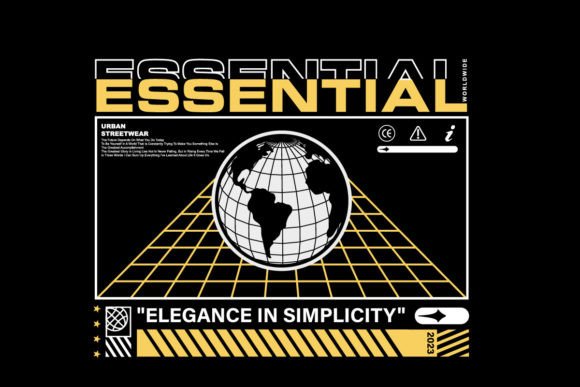
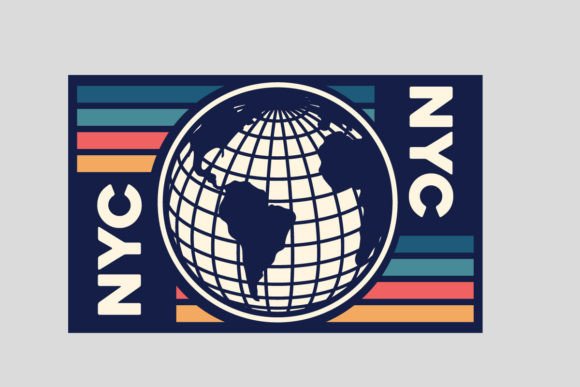
In the competitive landscape of custom printed clothing and streetwear fashion, the gap between a concept and a market-ready product often lies in the quality of the design assets. NYC T-shirt Design Templates serve as a foundational asset for entrepreneurs and creators looking to bridge this gap efficiently. These are not merely static images; they are comprehensive collections of unique, aesthetic sticker and T-shirt quotes designed specifically for scalability and versatility. By utilizing these templates, you are essentially acquiring a pre-vetted design library that aligns with current urban fashion trends, allowing you to bypass the initial, time-consuming brainstorming phase of the creative process.
The core value of these templates lies in their adaptability. Unlike rasterized images that degrade when resized, these assets are built on vector architecture. This means they function as a digital blueprint rather than a finished painting. For a small business owner or a freelancer, this distinction is critical. It ensures that whether you are printing a small pocket logo or an oversized back graphic, the integrity of the "aesthetic quotes" and intricate line work remains perfectly crisp. This level of quality control is essential for establishing a professional brand identity in the streetwear market.
Preparation and File Management
Before diving into the creative execution, proper preparation of your assets is necessary. Upon acquiring the NYC T-shirt Design Templates, you will typically receive a compressed archive. The first step in your workflow is to extract these files and organize them logically. Within the package, you will find vector source files in EPS format and high-resolution JPGs. A practical implementation tip is to create a dedicated project folder structure: separate the editable vector files from the preview JPGs. This organization prevents workflow bottlenecks later when you need to make rapid edits or color changes.
The EPS vector format is the powerhouse of this collection. To interact with these files, you will need compatible vector graphics software, such as Adobe Illustrator, CorelDRAW, or open-source alternatives like Inkscape. It is important to verify your software compatibility before beginning a project to avoid technical friction. Because these files are vectors, they interact seamlessly with other digital tools. For instance, you can easily import these designs into layout software for mockups or bring them into raster editors like Photoshop for texture application without losing the original data.
Customization and Execution
The true utility of these templates is realized during the customization phase. The design process is rarely linear; it involves iteration. With these vector files, you have the freedom to transform, scale up or down, add or remove elements, or recolor the artwork without losing quality. This is particularly useful for streetwear brands that rely on seasonal colorways. Instead of redrawing a complex quote design, you can simply adjust the hue to match the current season's palette.
Consider a scenario where you are launching a merchandise line for a specific event in New York City. The aesthetic quotes provided in the collection might serve as a base, but you may want to add a specific date or a localized slang term. The ability to edit the text directly within the vector file streamlines this process. This flexibility allows for a high degree of personalization, ensuring that the final product feels original to your brand rather than generic. The goal is to use the templates as a starting point for a conversation between your brand identity and the artwork.
Production and Printing Methods
Once the design is finalized in your vector software, the next stage is production. The files included in the NYC T-shirt Design Templates collection are optimized for various printing methods, including sublimation, Direct-to-Garment (DTG), and screen printing. For sublimation and DTG, the high-resolution JPGs are often sufficient, but for screen printing, the vector paths are essential for creating accurate color separations.
A critical step in this workflow is the communication with your print provider. Before sending the final files, ensure that the design dimensions match the print area of your specific garments. Because the vectors allow for infinite scaling, you can easily adapt a single design to fit multiple product types—such as hoodies, tote bags, or sticker sheets—without needing to commission new artwork. This interoperability makes the collection a cost-effective resource for expanding product lines.
Quality Control and Consistency
Maintaining consistency across a merchandise line is vital for brand recognition. When using templates, it is easy for different creators within a team to produce slightly different results. To mitigate this, establish a "master file" for each design. Once you have finalized the colors and text edits for your NYC-themed quotes, save that version as the definitive source. This ensures that whether you are printing a batch today or restocking in six months, the output remains identical.
Furthermore, quality control extends to the physical application of the design. Always request a proof or a sample print before committing to a large run. This allows you to verify that the aesthetic details captured in the vector file translate effectively onto fabric. Streetwear often relies on bold typography and sharp lines; any pixelation or color bleed can significantly diminish the perceived value of the garment.
Workflow Optimization for Entrepreneurs
For freelancers and small business owners, time is a scarce resource. The primary advantage of utilizing a curated collection like NYC T-shirt Design Templates is workflow optimization. By starting with a professional-grade base, you reduce the hours spent on initial drafting and focus your energy on branding, marketing, and sales strategy. This asset allows you to react quickly to market trends—if a particular style of aesthetic quote becomes popular, you can have a product listed in your store within days rather than weeks.
Moreover, these templates serve as an educational tool for those new to design. By deconstructing the vector files, a hobbyist or educator can learn about layering, typography pairing, and color theory. It provides a practical sandbox for experimentation. You can isolate elements, study how the gradients are constructed, and apply those techniques to future original works.
Expanding Beyond Apparel
While the primary focus is T-shirts, the versatility of the assets allows for broader application. The sticker collection mentioned in the package can be a secondary revenue stream. Using the same vector files, you can create die-cut stickers that complement your apparel line. This creates a cohesive ecosystem of products. Additionally, the designs can be adapted for social media graphics, website banners, or physical signage, ensuring a consistent visual language across all customer touchpoints.
In conclusion, the NYC T-shirt Design Templates are more than just clipart; they are a strategic asset for anyone involved in the custom merchandise workflow. By leveraging the editable vector nature of the files, maintaining rigorous organization, and understanding the technical requirements of different printing methods, you can integrate these designs into a professional production pipeline. This approach maximizes the utility of the assets, ensuring that your final products are not only aesthetically pleasing but also commercially viable and consistent with your brand standards.