Streamlining Your Creative Workflow with Paradise Tshirt Design Templates
For entrepreneurs, designers, and creators in the custom merchandise space, the gap between a compelling concept and a production-ready asset is often where projects stall. The process of generating unique, aesthetically consistent graphics for apparel and accessories demands both creative energy and technical precision. This is where a structured resource like the Paradise Tshirt Design Templates collection becomes a pivotal part of your operational toolkit, designed specifically to accelerate that journey from idea to finished product.
Understanding the Core Asset: More Than Just Graphics
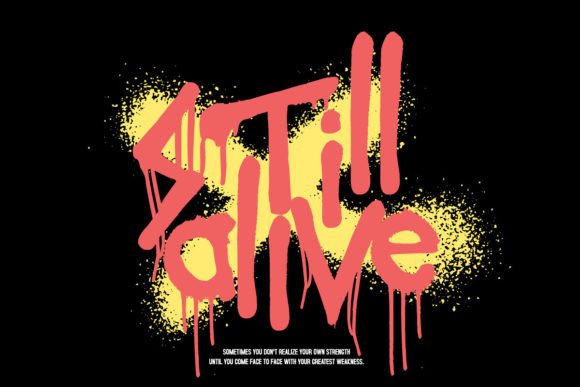
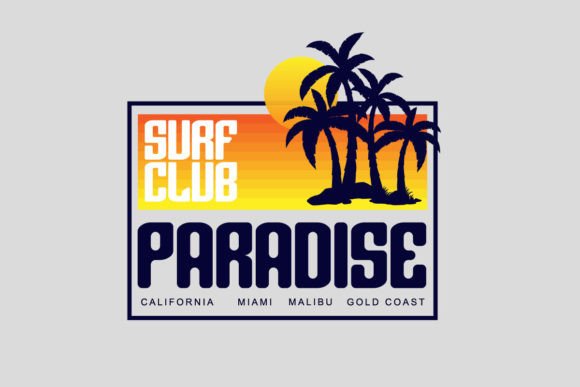
At its foundation, this collection provides a curated set of aesthetic quote designs, but its true value lies in its format and flexibility. The package includes vector source files in EPS format, high-resolution JPGs, and a set of ready-to-use T-shirt designs. Vector files are the cornerstone here; unlike raster images (like JPGs or PNGs), they are built on mathematical paths rather than pixels. This means a designer can scale the artwork to fit a tiny sticker or a massive banner without any loss of clarity or quality—a non-negotiable requirement for professional merchandise production.
The inclusion of both source vectors and final JPGs positions this resource at multiple points in a project lifecycle. The JPGs serve as quick visual references or direct-to-print files for straightforward sublimation projects. The EPS vectors, however, are where the real workflow integration begins. They are the raw material, ready to be customized, combined, and refined within your existing design environment.
Integration into the Design and Production Pipeline
Effectively incorporating these templates into your work requires a clear process. Think of it not as a final product, but as a high-quality starting block. The initial step is preparation and organization. After extracting the ZIP file, create a logical folder structure on your system or cloud storage. You might categorize by quote theme, design style, or project type. This simple act of organization prevents time wasted searching for assets later and is a hallmark of an efficient creative workflow.
The next phase is adaptation. Using vector graphics software like Adobe Illustrator, Affinity Designer, or the open-source Inkscape, you open the EPS files. Here, the designs become fully malleable. You can transform, scale, add, remove, or recolor every element. This is crucial for brand alignment. A streetwear brand might deconstruct a quote, using only the typography with a different background texture. A podcaster could integrate a specific quote design into their merchandise line by adjusting colors to match their brand palette. The process is about making the asset serve your specific goal, not the other way around.
Practical Applications Across Business Models
The utility of such a template library extends across various commercial and creative ventures. For a print-on-demand business, it dramatically cuts down the time and cost associated with commissioning custom artwork for each new product listing. You can rapidly prototype and test different quote designs on mockups, gauging market interest before committing to final production. This aligns perfectly with agile business methodologies where speed-to-market and iteration are key.
For a small apparel brand or a designer building a portfolio, these templates offer a consistent aesthetic foundation. You can use them as a common thread across a seasonal collection, ensuring visual coherence. The ability to edit the vector files means you can create variations—perhaps changing the colorway for different product lines or adjusting the composition for different garment types like hoodies, tote bags, or hats. This promotes brand consistency, a critical factor in building recognition and trust.
Even in educational or marketing contexts, the templates find use. An educator creating motivational materials for students or a marketer designing branded merchandise for an event can leverage these pre-made designs to produce professional-looking assets without needing advanced graphic design skills. The focus shifts from creation from scratch to thoughtful curation and minor customization, saving significant resources.
Ensuring Quality and Compatibility in Output
A key consideration in any asset-based workflow is the final output quality. The Paradise templates are structured to address this directly. The vector EPS files are compatible with industry-standard software, ensuring you can work within your preferred toolset without compatibility headaches. When you scale a design for a large-format print, the vector integrity ensures the edges remain crisp and the details clear, which is essential for professional merchandise.
The high-resolution JPGs included are optimized for specific uses like direct sublimation printing, where a ready-to-go, high-DPI file is often required by the printer. This dual-format approach provides both flexibility (with vectors) and convenience (with JPGs), allowing you to choose the right file for the right stage of the job. Before sending any design to production, a final quality check—ensuring colors are set correctly (CMYK for print vs. RGB for digital), checking for any hidden elements, and verifying dimensions—is a best practice that protects against costly reprints.
Long-Term Strategic Use and Organization
Viewing this collection as a long-term asset rather than a one-off purchase changes its value proposition. Over time, you can build a personalized library of modified designs. A smart practice is to save your customized versions separately from the original templates. Create a "Work in Progress" folder for drafts and a "Production Ready" folder for finalized, print-prepared files. This version control is simple but effective, preventing the accidental overwriting of a master template.
Furthermore, these designs can serve as inspirational springboards. Analyzing the composition, typography pairing, and color schemes within the templates can inform your own original creations. You might deconstruct a design to understand how the elements interact, then apply those principles to a completely new piece. In this way, the resource functions not just as a shortcut, but as a practical learning tool that enhances your design fluency.
Ultimately, integrating a resource like the Paradise Tshirt Design Templates is about optimizing the connection between creative vision and executable output. It addresses common bottlenecks in the merchandise creation pipeline—time, cost, and technical complexity—by providing a flexible, high-quality starting point. By implementing it with a clear process of organization, adaptation, and quality control, you embed efficiency into your workflow, allowing you to focus more energy on strategy, branding, and bringing your unique ideas to market.