Portfolio Design Catalog Templates: A Comprehensive Guide for Product and Project Presentations
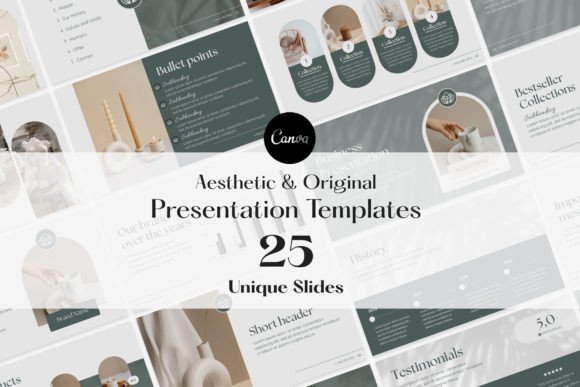
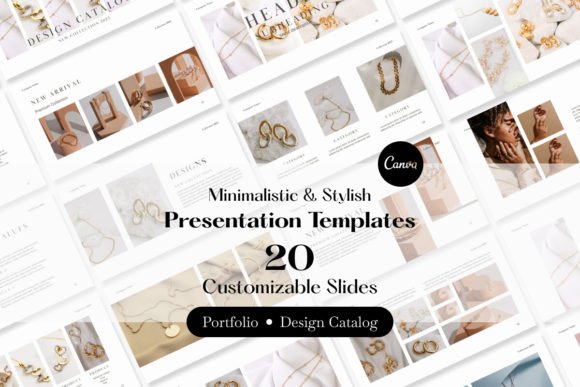
For professionals ranging from freelance photographers to small business owners, the ability to present work in a polished, cohesive manner is often the deciding factor in securing a client. Portfolio Design Catalog Templates have emerged as a practical solution for those who need high-quality visual presentations without the expense of hiring a graphic designer or the time investment required to build layouts from scratch. These templates serve as pre-designed frameworks, typically compatible with user-friendly platforms like Canva, designed to house text pages, title pages, cover designs, project presentations, description pages, and photo galleries.
Understanding the Structure and Application
A Portfolio Design Catalog Template is essentially a digital skeleton for your content. While the name suggests a specific use case—showcasing a portfolio or a product catalog—the versatility of these designs allows for much broader application. They are frequently used to create comprehensive brand proposals, lookbooks, media kits, and business capability decks.
Typically, a template pack includes a variety of slide types to accommodate different data needs. You can expect to find:
- Cover and Title Pages: Designed to make a strong first impression, these pages usually focus on typography and high-resolution imagery.
- Description Pages: These layouts balance text and visuals, allowing you to detail project specifications, company history, or product features without overwhelming the reader.
- Photo Galleries: Grid-based or free-flowing layouts intended to showcase visual work, such as photography, interior design, or physical products.
- Data and Project Slides: Sections dedicated to timelines, pricing tables, or case study breakdowns.
The primary appeal lies in the "plug-and-play" nature of the assets. By utilizing these templates, users can bypass the initial design phase and move directly into content curation.
Evaluating the Benefits and Tradeoffs
When considering whether to adopt Portfolio Design Catalog Templates, it is helpful to weigh the practical advantages against potential limitations. The objective is to determine if the tool aligns with your specific workflow and quality standards.
The Advantages of Pre-Designed Frameworks
The most significant benefit is time efficiency. Creating a visually stunning graphics presentation from a blank canvas requires a deep understanding of layout theory, color psychology, and typography. Templates provide a solid foundation, allowing users to focus on refining their content rather than wrestling with design details. Furthermore, because these templates are often created by professional designers, they ensure a level of visual consistency that is difficult for non-designers to replicate manually.
Another key advantage is adaptability. High-quality templates are designed to be user-friendly. They allow for effortless customization—swapping images, modifying color palettes to match brand guidelines, and editing text fields. For businesses using tools like Canva, this process is streamlined, often requiring only a free account to get started.
Potential Limitations
However, there are tradeoffs to consider. The primary limitation of any template is the risk of genericism. If a template becomes popular, multiple businesses within the same industry might end up with nearly identical presentations. While customization mitigates this, the underlying structure remains fixed.
Additionally, while templates offer flexibility, they are not infinitely malleable. Users may find themselves constrained by the specific layout choices of the designer. For instance, if a template is designed for a specific number of images per page, altering that grid structure can be technically challenging for a novice user. Finally, while "Full HD resolution (16:9)" is standard for screens, users intending to print their portfolios should verify the resolution and bleed settings to ensure the output is crisp on paper.
Is a Template the Right Fit for You?
Determining whether to use Portfolio Design Catalog Templates requires an honest assessment of your current resources, skills, and goals. These templates are a strong fit for specific scenarios, but they are not a universal solution.
Scenarios Where Templates Excel
These templates are ideal for entrepreneurs, artists, photographers, and crafters who need to enhance their brand image quickly. If you are a small business owner preparing a branding proposal for a client, a template provides the necessary professionalism to compete with larger agencies. They are also excellent for:
- Rapid Prototyping: When you need to pitch an idea tomorrow and have no time for design development.
- Brand Consistency: When you need to ensure that every page of your presentation adheres to a specific visual standard.
- Resource Management: When hiring a graphic designer is outside the current budget, but a high-quality visual presentation is non-negotiable.
When to Consider Alternatives
Conversely, there are situations where a pre-made template may not be the best choice. If your brand identity relies on a highly unique, avant-garde aesthetic that cannot be achieved through standard grid layouts and common typography, a template might dilute your message. In such cases, commissioning a custom design or learning advanced design software like Adobe InDesign or Illustrator might be necessary to achieve the desired level of distinction.
Furthermore, if your content volume is massive—such as a catalog with thousands of SKUs—a slide-based presentation template (like those designed for Canva or PowerPoint) may become unwieldy. In those instances, dedicated catalog software or PDF generation tools might offer better scalability.
Key Decision-Making Insights
When selecting a template pack, look beyond the cover page. A high-quality template collection should offer variety in its interior pages. Check for the availability of text-heavy pages that are still readable, and photo gallery pages that do not crop images awkwardly.
Consider the editing platform. While many modern templates are optimized for free online editors, ensure that the file format (such as PPTX for PowerPoint or specific Canva links) is compatible with your preferred software. Finally, assess the "versatility" claim. A good template should be adaptable enough to function as a product catalog today and a project proposal tomorrow, offering long-term value for your business communications.
Ultimately, Portfolio Design Catalog Templates serve as a bridge between amateur efforts and professional design services. By providing a structured, visually appealing starting point, they empower users to present their work with confidence and clarity, making them a valuable asset in the modern creative and business landscape.